

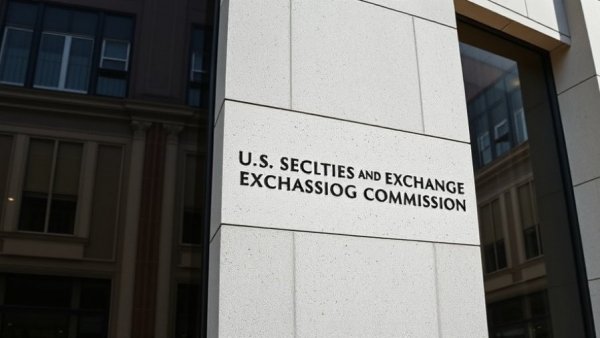
SEC's Pay-to-Play Rule: A Divisive Proposal
The impending decision by the Securities and Exchange Commission (SEC) to rescind its 'pay-to-play' rule has ignited a heated debate among financial advisors and wealth managers. As the deadline for public comments looms, responses are split between those championing reduced compliance burdens and those fearing a revival of unethical practices.
Understanding the Controversy
Originally implemented in 2010, the pay-to-play rule restricts investment advisors from providing compensated services to government clients for two years following a political contribution. Proponents of rescinding the rule, including SEC Chairman Paul Atkins, argue that it kneecaps political expression and hinders advisors’ freedom to participate in democratic processes.
Atkins posits that the existing anti-fraud provisions are sufficient to prevent the risks that led to the establishment of the rule. However, critics—including CEO Kristin Hull of Nia Impact Capital—contend that removing the regulations could reopen a Pandora's box of corruption, especially in light of inconsistent state and local ethics standards.
The Impact on Ethical Business Models
This debate resonates with business owners and high-income entrepreneurs who are focused on ethical business practices. The fear is that if these regulations are relaxed, it could not only facilitate unethical behavior in government contracts but also erode public trust, ultimately affecting wealth building strategies.
Advice for High Net-Worth Individuals and Entrepreneurs
As business owners negotiate the murky waters of compliance and integrity, it’s crucial to develop a solid ethical business model. Engaging a virtual CFO or financial consultant can help navigate regulations and focus on sustainable business practices while also ensuring adherence to any new rules that may come into effect.
The Path Forward for Advisors
Advocating for responsible lobbying and contribution policies is vital, not just for regulatory compliance but also for defining future business ethics. The discourse encourages advisors to contemplate the long-term implications of their contributions and to operate with transparency as they build generational wealth for their clients.
Conclusion: Why Actions Matter
The SEC's proposal is a reminder of the ongoing balance between regulation and the free market, emphasizing the importance of ethical business practices. As you reflect on your business strategies, consider how your actions align with maintaining integrity, especially as we navigate complex financial landscapes.





Write A Comment