

Anticipating Economic Changes in America's New Political Climate
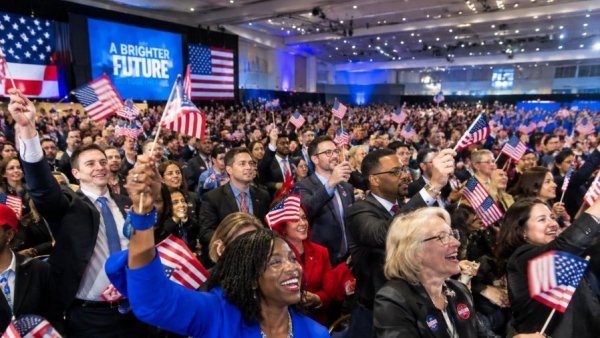
The recent victories for Democrats in Congress signal a potential shift in America’s economic landscape, especially concerning the rising cost of living. Midterm voters expressed deep-seated frustrations with the economy, and exit polls show that a staggering 75% reported the economy as "not so good" or "poor." Given this backdrop, both parties face increasing pressure to enact policies aimed at alleviating financial burdens on American families.
However, as many experts caution, the path to noticeable relief is fraught with challenges. The independent political landscape complicates matters; despite the Democratic majority, any proposed legislation will require bipartisan cooperation, particularly with a Republican president infamous for a unilateral approach to governance. As Mike Skordeles of Truist Advisory Services points out, affordability issues are complex, lacking straightforward solutions.
The Role of Global Conflicts in Shaping the U.S. Economy
Over the past few years, several global issues have exacerbated inflation rates in the U.S. Key among these is the ongoing conflict in Iran. Widespread blockades and geopolitical tensions, including the effects of the Russia-Ukraine conflict, have contributed significantly to increased oil prices. Economists argue that a resolution to these conflicts could lead to lower fuel costs and may positively impact consumer prices.
Additionally, the Democratic control over state governments may mitigate the economic impact of the AI buildout, particularly as new governors in Oklahoma, Texas, and Georgia have pushed for moratoriums on data centers that contribute to rising operational costs.
Strategies for Business Owners and Entrepreneurs Facing Economic Pressures
As economic conditions remain volatile, entrepreneurs and small business owners must adopt flexible strategies. By staying informed on governmental policy changes and global events, businesses can better navigate financial challenges. For instance, understanding tariffs and foreign relations can provide insights into potential impacts on supply chains and pricing strategies.
Engagement in community discussions and consultations with financial advisors can help business owners formulate adaptive plans that account for anticipated price changes resulting from new legislation. Overall, keeping abreast of economic indicators and political decisions will be essential for sustaining and growing businesses in this shifting landscape.




Write A Comment